Go/No-Go Scorecard
Six weighted factors and thresholds that resolve to a board-defensible go, conditional go, or no-go, plus a five-line recommendation page you can put in front of your team.
Growth Cartography is the method behind Marketing Engineering: evidence first, one supervised loop, measurable handoff.
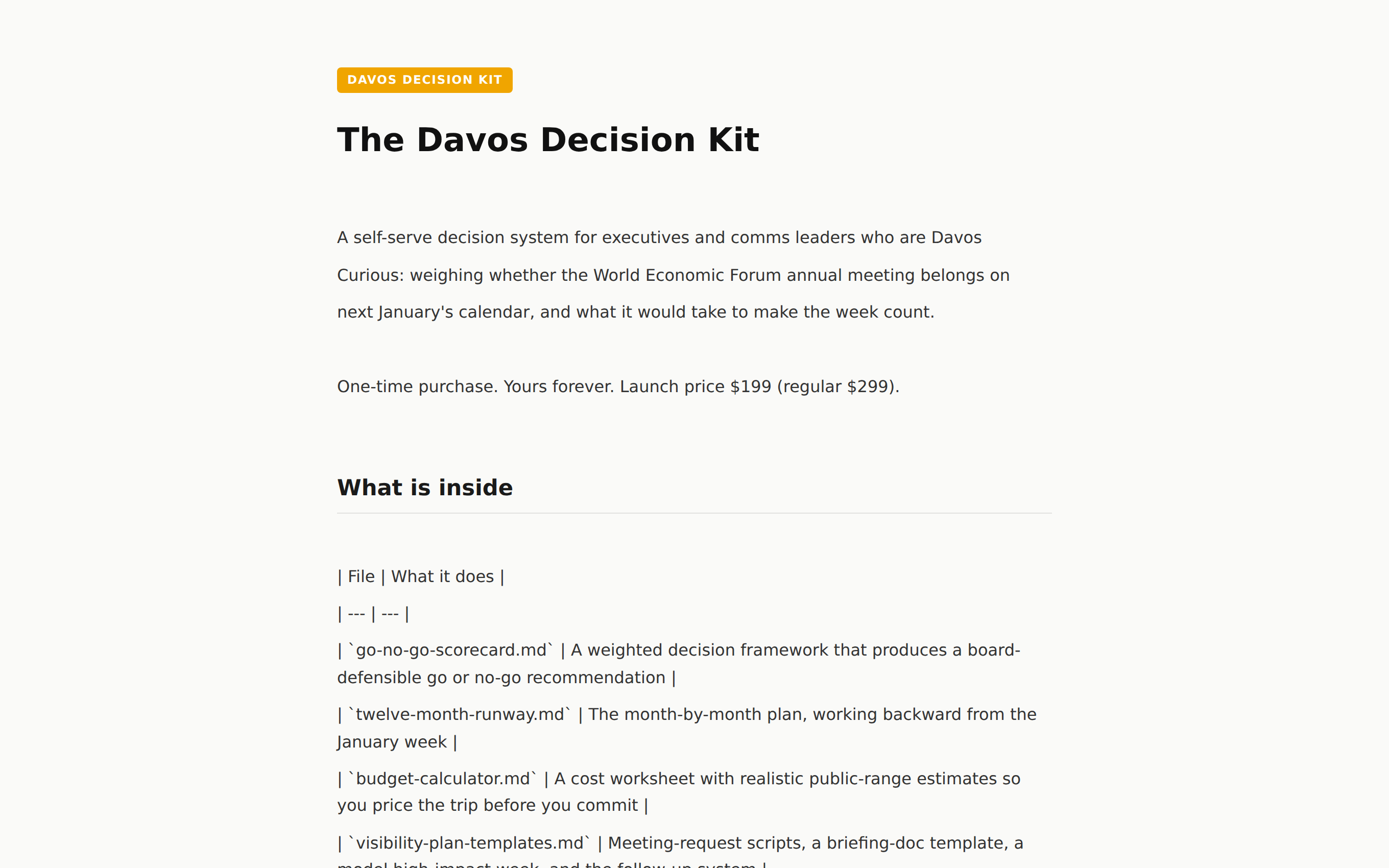
A self-serve decision system for executives and comms leaders weighing whether the World Economic Forum annual meeting belongs on next January's calendar — and what it would take to make the week count. One-time purchase. Yours forever.
$299 · Launch price $199. All costs are public-range estimates. This kit is not affiliated with or endorsed by the World Economic Forum. Not legal or financial advice.
Every document is plain text on purpose: the most portable format there is for AI assistants. You do not install anything. Load the kit into the AI tool you already use and it becomes an interactive advisor that interviews you, scores you, and plans with you.
Six weighted factors and thresholds that resolve to a board-defensible go, conditional go, or no-go, plus a five-line recommendation page you can put in front of your team.
The month-by-month plan working backward from the January week: decide and position, publish, build access, sharpen, lock, prepare, execute, convert.
Line-by-line low and high estimates from public ranges, the hidden time line, and three scenario totals from promenade-only to badged. A number you can actually defend.
Meeting-request scripts, the one-page-per-day briefing doc, a model high-impact week, and the follow-up system where the ROI actually lives.
A fully worked fictional buyer (Solvra, below) running the entire kit end to end. Every purchaser sees what good looks like before their own 45-minute session.
Copy-paste prompts — one per document — so the kit runs as your interactive advisor in ChatGPT, Claude, or Copilot with zero prompting skill required.
A ready-made Claude Skill folder: drop it into Claude's skills and it becomes your Davos decision advisor on demand across the Claude apps and Cowork. Paid Claude plans only.
Solvra is a fictional Series C climate-fintech (~180 people, Amsterdam) weighing Davos January 2027 ahead of a Q3 raise. Here is the kit's actual output, visualized. Any resemblance to a real company or person is coincidental.
Per the scorecard rule: fix the lowest-scoring high-weight factors (warm paths, story readiness), re-score in 60 days, commit only at 75 or above.
Two live, named objectives (Series D raise, EU policy position) depend on audiences that gather that week.
The right categories attend, but warm paths exist to only 4 of a draft top-20 list today.
A defensible point of view exists internally but is barely published: one byline, no anchor report.
The promenade-only range fits inside the existing events budget, but consumes the full contingency.
January 2027 is protectable now; the raise process may compress December.
A Brussels dinner series plus one climate-finance event is comparable for the policy goal at roughly half the cost.
Promenade-only scenario, two people, five nights, no badge, no hosted moment. Public-range estimates as of the 2026 cycle.
Circulate the one-page recommendation. Name the single point of view. Audit the CEO's public footprint: the gap is the anchor report.
Commission the anchor report with a named analyst. Place a lead byline. Build the 40-to-60-person target list.
Convert the target list to warm paths through the board and investors. Goal: 7+ warm paths into the top 20.
Rerun the scorecard with fresh evidence. At 75+ move to the full runway. Below 75, redirect the envelope to the Brussels series.
Subject: Intro to Dr. Elin Sørheim ahead of January?
Pieter, I will be in Davos the week of January 18 and Dr. Sørheim is at the top of my list. We are both working on carbon-market settlement integrity; I published our "Missing Layer" report on exactly this. Would you be open to a two-line introduction? Happy to send you the note to forward.
The documents are plain text on purpose: the most portable format there is for AI assistants. You do not install anything. Load the kit into the AI tool you already use and it turns from worksheets into an interactive advisor that interviews you, scores you, and plans with you. A Start Here prompt sheet ships in the zip so this works with zero prompting skill.
ChatGPT (Projects), Claude (Projects), and Microsoft Copilot (Notebooks) all let you upload reference files once so they stay attached to every future conversation. Upload the five documents to one project, name it "Davos Advisor," and return to it for twelve months. The quick path also works: drag one document into any chat and paste the matching prompt from the Start Here sheet.
Each document ships with a copy-paste prompt. The scorecard prompt makes the AI interview you one criterion at a time, then calculate the weighted score and draft the five-line board recommendation. The runway prompt compresses the twelve months to the time you actually have. Your answers stay in your own AI account, not on anyone's server.
The kit is plain markdown, so it climbs the capability ladder with you. Feature names and availability vary by vendor and plan.
Beyond Projects, Claude supports Skills, and the kit ships one ready-made: a folder holding the advisor instruction file plus the five documents. Installing it is one drag where your plan supports Skills. Claude then loads your Davos advisor on demand across the Claude apps, Claude Code, and Cowork.
Beyond Notebooks, buyers on Microsoft 365 Copilot can use the agent builder or Copilot Studio to create a declarative "Davos Advisor" agent grounded in the kit documents, shared with the whole comms team inside Teams and Office.
Instead of a personal Project, build a custom GPT from the kit documents and the Start Here instructions, then share it with your team. Everyone gets the same advisor with the same grounding.
Gemini (Gems), Notion AI, or your enterprise RAG stack: any tool that accepts reference documents can run the kit. Format never blocks you; that is the point of shipping text instead of an app.
What that looks like in practice (Solvra, in their own AI workspace):
It’s the first week of October. We scored a 70, conditional go. What does the runway say we should be doing right now?
With a conditional go in October you are on the condensed runway, not the twelve-month one. The three urgent items: 1) lock accommodation this week, October pricing is the last sane window; 2) your anchor report has to publish by mid-November or your meeting-request scripts have nothing to reference; 3) start the top-ten conversation list now, because badge-holder calendars fill from late November. Want me to build the week-by-week version through January?
Illustrative exchange based on the kit’s actual runway and scorecard logic.
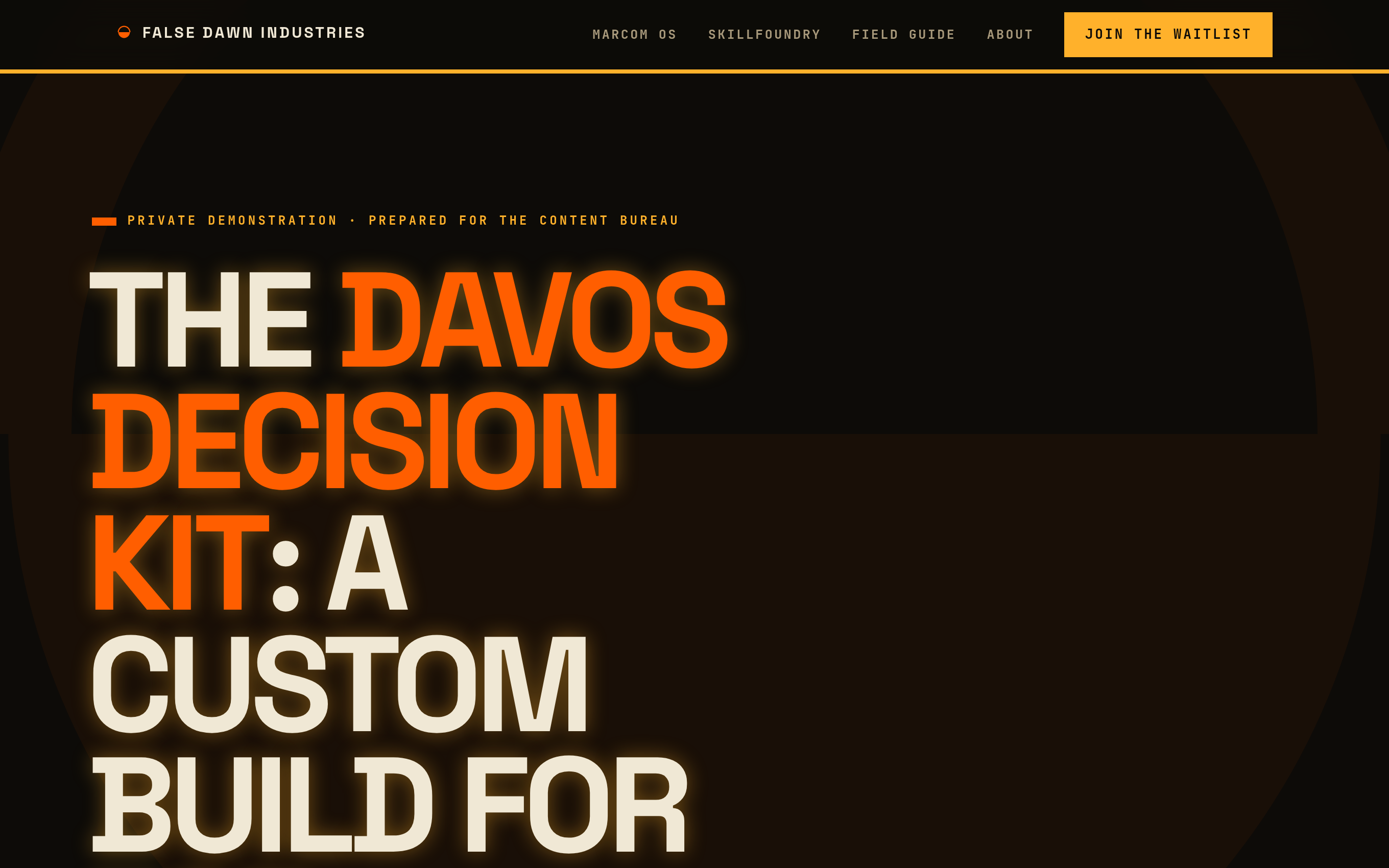
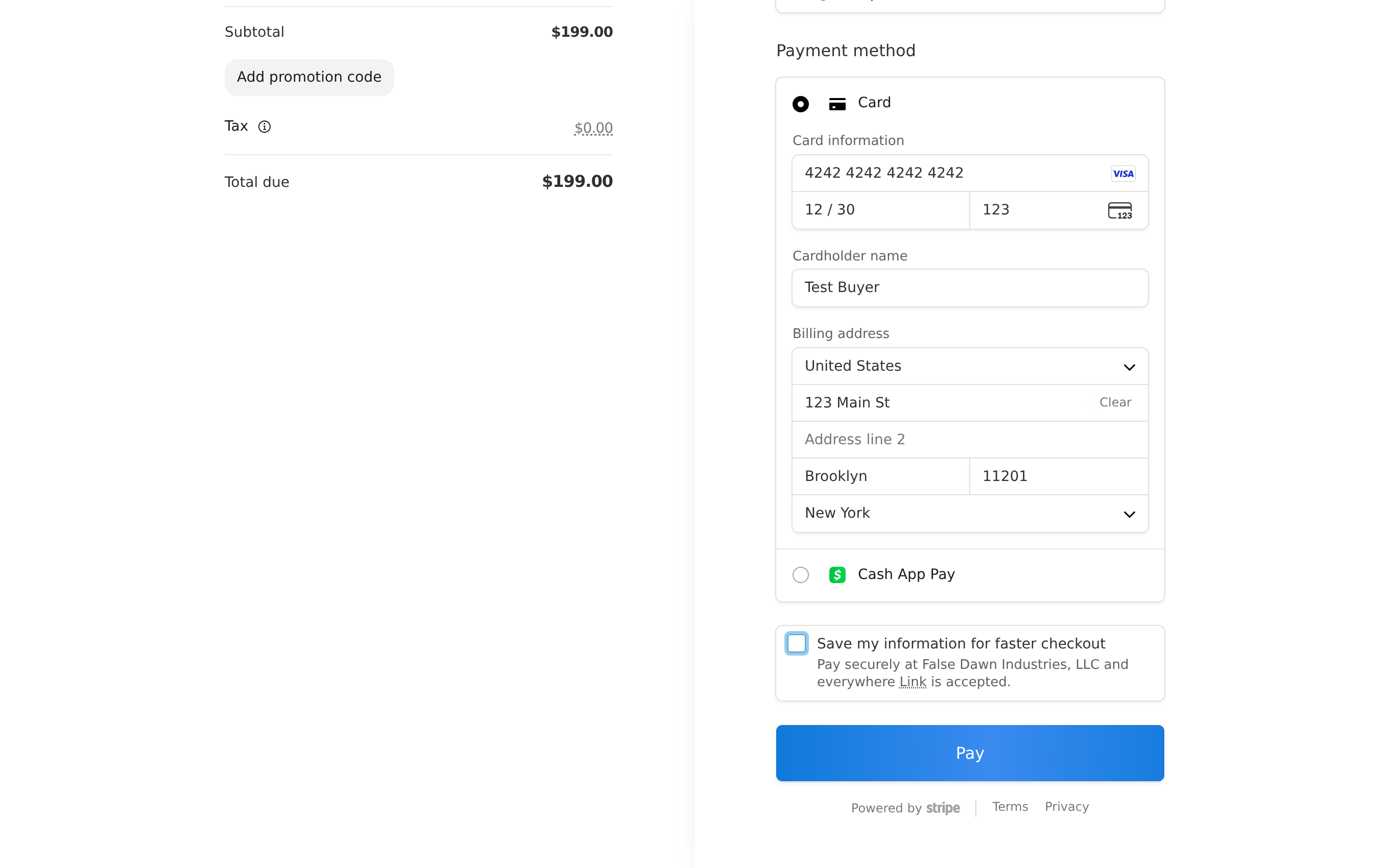
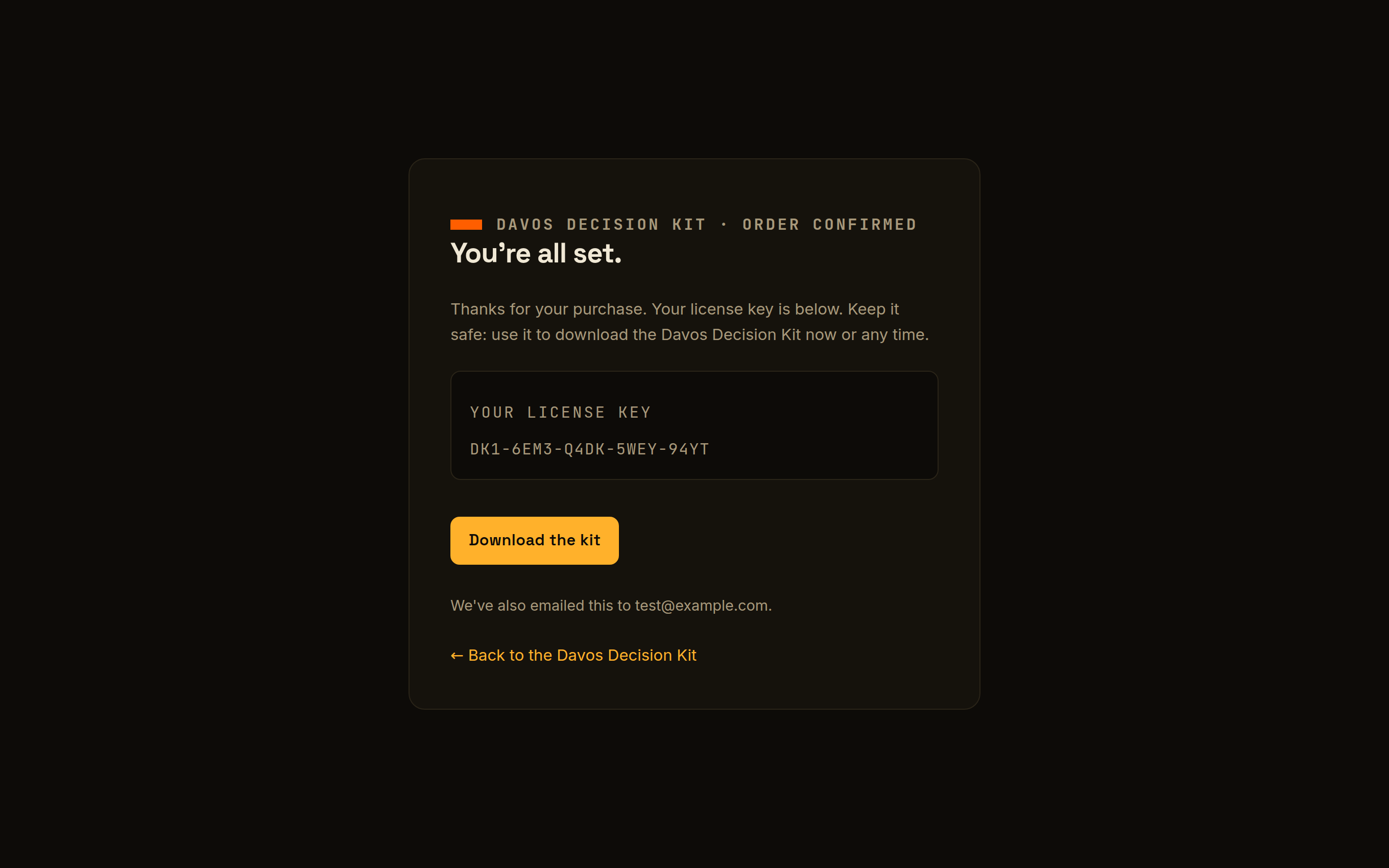
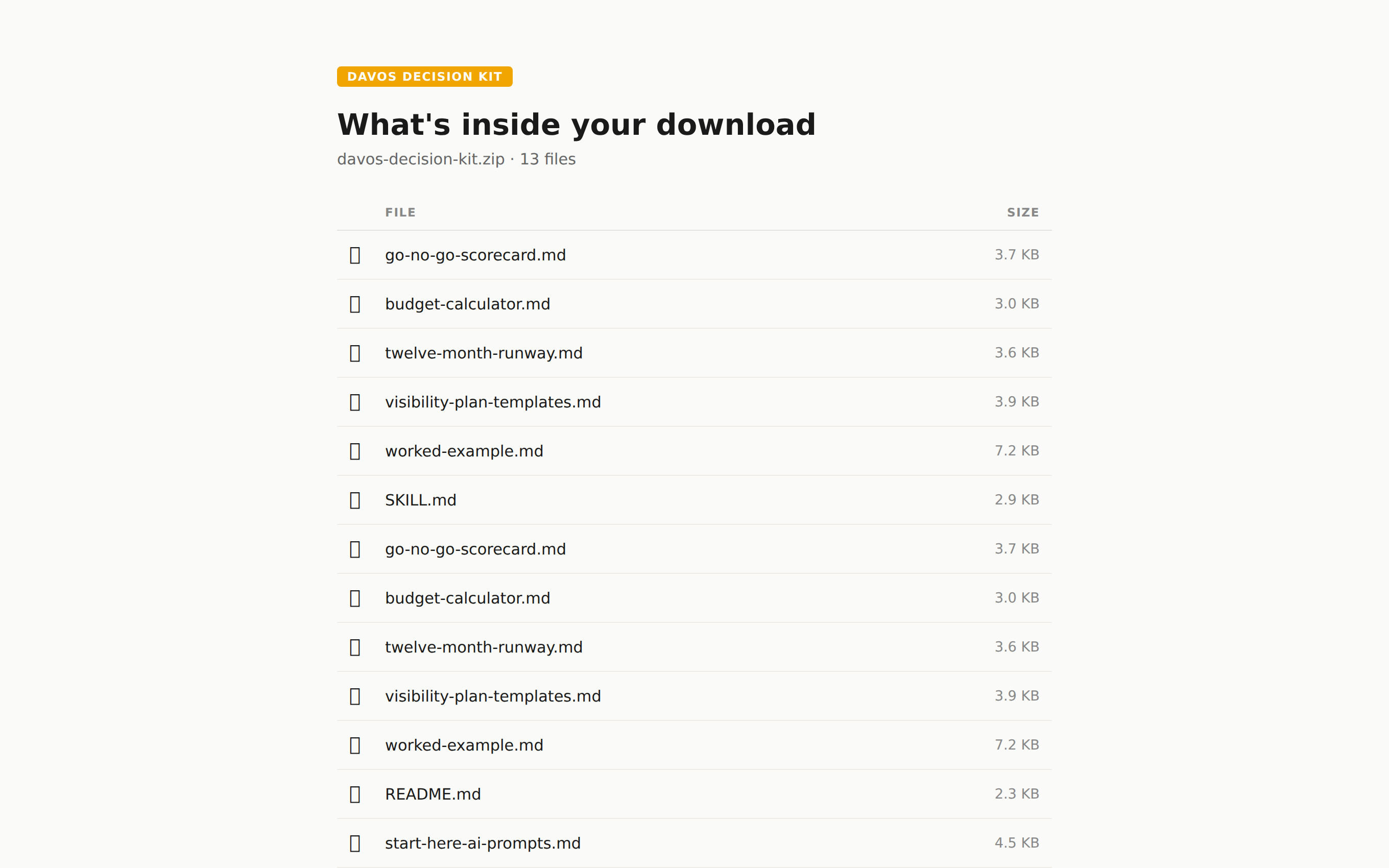
Real screenshots from the working build: from landing on the page to opening the delivered documents.
Buy once. Download any time. All future updates to the kit documents are included. Low enough for a corporate card without approval; high enough to signal senior advice.
Instant download after purchase. Your license key unlocks the kit zip and stays valid indefinitely.
Leave your email and we will follow up, or write us directly.
Prefer email? Write us at john@ratcliffe-lee.com.